The Quiet Drama of Partial Light
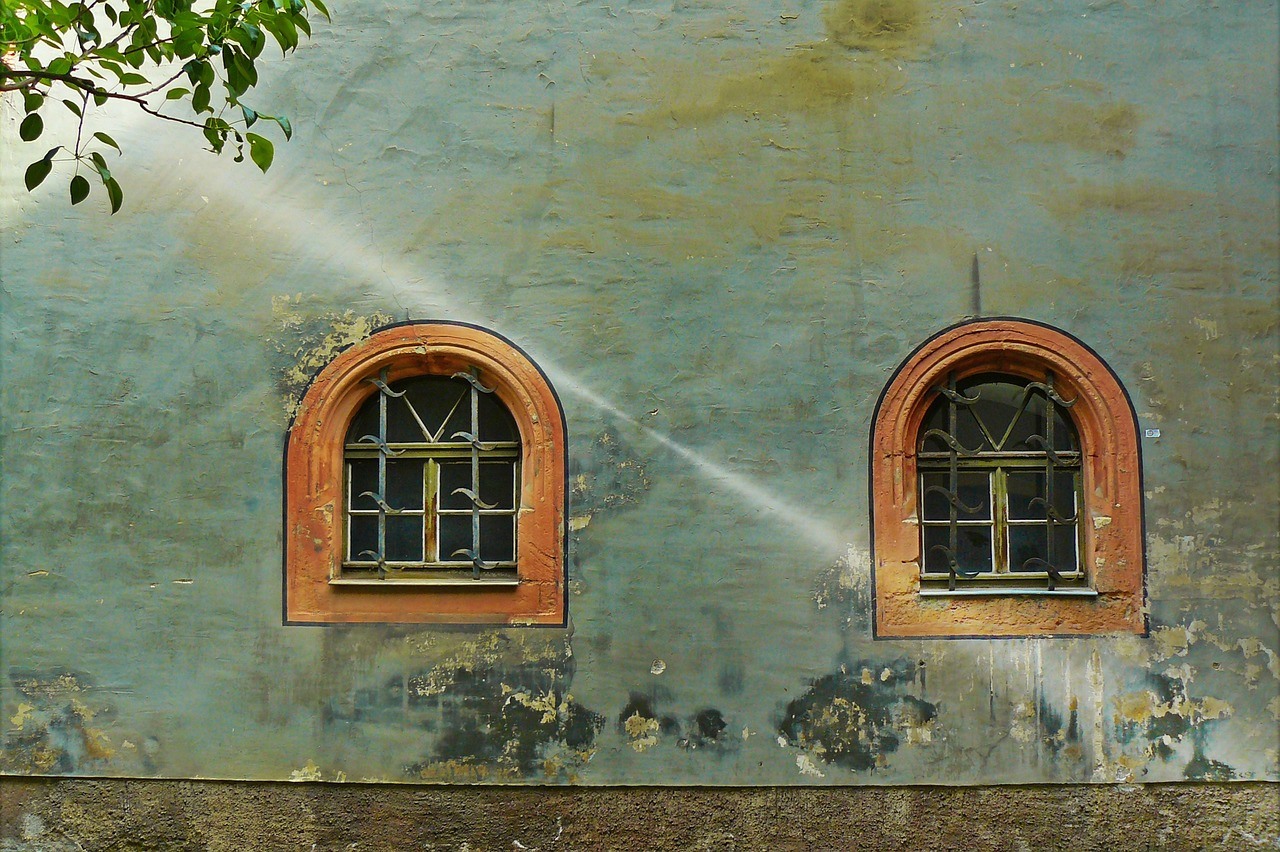
Several scenes resist full illumination. A seated figure remains dark before a modest window, and a nearly empty room receives only a narrow wash from an open casement. Partial light asks the eye to work slowly. It reveals an edge, a fold or a rough patch of plaster while allowing much of the space to remain unresolved. This balance can make a small opening feel more powerful than a bright panoramic view. Darkness supplies scale and separation; light establishes direction and attention. The effect depends on restraint rather than spectacle. When only part of a room is visible, the window becomes both source and subject, defining what can be seen while preserving the presence of what cannot.
Continue through the collection